Where can technology deliver the fastest value across convenience store operations? For convenience retailers, technology investments compete for attention across checkout, store operations, foodservice, and customer engagement. Each investment needs a clear reason for earning its place in the store. The strongest opportunities address areas where improvements happen frequently enough to generate value soon after implementation.
Faster payback often comes from improving processes that affect store performance every day. Increasing transaction opportunities creates one path to return while reducing recurring costs creates another. Technology can help retailers get more from existing employees and infrastructure. Understanding where that value comes from helps retailers invest with a clearer path to payback.
Creating More Opportunities for Every Transaction
Innovative technology solutions can generate faster returns when they help retailers capture more transaction opportunities. During the morning commute or lunch rush, a store may have only a few minutes to serve a wave of customers. Checkout capacity directly affects how efficiently that demand moves through the store.
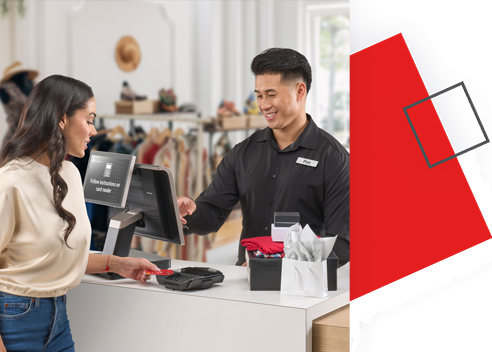
Modern point-of-sale technology helps employees process purchases efficiently while self-service gives customers another way to check out. Digital ordering can create additional opportunities in foodservice by allowing customers to place orders before or during their visit. Each option helps retailers accommodate more purchases across busy periods.
The value of modern technology becomes more significant because these interactions happen repeatedly. An improvement that supports additional transactions each day continues generating value across weeks and months. For multi-site operators, those gains can extend across an entire store network.
Getting More Value from Existing Resources
Faster payback does not always require adding more resources to the store. Technology can also help retailers make better use of the employees and systems already supporting daily operations.
Convenience store associates balance checkout with stocking and food preparation. In addition, customer assistance adds another responsibility throughout the shift. Mobile tools give employees access to information as they move through the store while automation reduces some of the manual steps behind routine processes.
The return on investment comes from creating more capacity within existing operations. Time saved on repeated tasks also gives employees more room to focus on responsibilities that require their attention. When those efficiencies repeat across shifts and locations, retailers can generate greater value from resources already in place.
Reducing Costs That Repeat Every Day
Recurring operating costs give technology another opportunity to deliver faster payback. Small inefficiencies may have a limited impact once, but the cost grows when the same problem occurs across every shift or location.
Energy management provides a clear convenience example. Stores operate refrigeration, lighting, foodservice equipment, and other systems for long periods each day. Technology that provides greater control over energy use can help retailers manage those ongoing expenses more efficiently.
Similar opportunities exist across other routine processes such as eliminating inefficiencies through automation. Automation can reduce manual administrative work while better system visibility can help teams identify operational issues sooner. Reducing costs that occur repeatedly gives retailers an opportunity to see the financial impact of an investment sooner.
Scaling Value Beyond a Single Store
A technology investment may begin in one location, but its value grows when retailers can extend the same capabilities across the business. Solutions designed to scale allow successful improvements to reach more stores without requiring retailers to rethink the approach at every location.
For example, introducing new checkout capabilities such as self-service or mobile payments allows retailers to test how the technology performs within existing store operations. Once the approach is established, retailers can expand those capabilities to additional locations with greater consistency. Centralized software also simplifies how updates and new functionality are managed across the store network.
As those capabilities expand across more locations, the value of the initial investment has more opportunities to grow. Retailers can apply the same technology and processes across the store network instead of developing a new approach for each location. Each rollout extends the operational benefits to another store, helping retailers generate greater value from the technology at scale.
Building a Faster Path from Investment to Value
Fast payback starts before technology reaches the store. Retailers need to identify the specific operational challenge an investment is meant to address and determine what improvement would demonstrate its value. Setting that expectation early gives retailers a clear way to track the impact after implementation.
The right measure depends on the technology and the challenge it addresses. A checkout investment might focus on transaction throughput while automation could be measured through employee time saved. Energy management technology might focus on changes in energy costs. Tracking these outcomes helps retailers see where the investment is creating value and how that value contributes to payback over time.
So where can technology deliver the fastest value across convenience store operations? Start with improvements that generate value every time they occur. More transactions can support greater sales opportunities while increased employee capacity helps stores accomplish more with existing resources. Lower recurring costs and technology that scales across locations create additional opportunities for return. Focusing on these repeatable improvements gives convenience retailers a clearer path from technology investment to measurable business value.